Introducing your baby to the water through infant swim lessons can be a wonderful and rewarding experience. Not only do these lessons help infants develop early water confidence, but they also provide a safe environment for learning basic water familiarity. At AquaBuddies, our infant swim classes focus on safety, comfort, and developmentally appropriate exercises to ensure every baby enjoys their time in the water.
This article outlines ten essential safety tips for parents and caregivers to follow during infant swim lessons. Following these tips ensures a safe, enjoyable, and effective experience for both infants and their families.
1. Choose Certified Infant Swim Classes
When enrolling your baby in swim lessons, it’s crucial to select classes led by certified instructors. Certified instructors are trained to handle the unique needs of infants, understand safety protocols, and guide parents effectively during the sessions. They are knowledgeable about infant water safety, the stages of infant development, and how to introduce water skills gradually.
At AquaBuddies, all instructors are certified and experienced in conducting infant swim lessons, ensuring your child is in a safe and nurturing environment. Certified instructors also provide parents with guidance on techniques and safety practices to continue at home if desired.
2. Maintain Constant Supervision
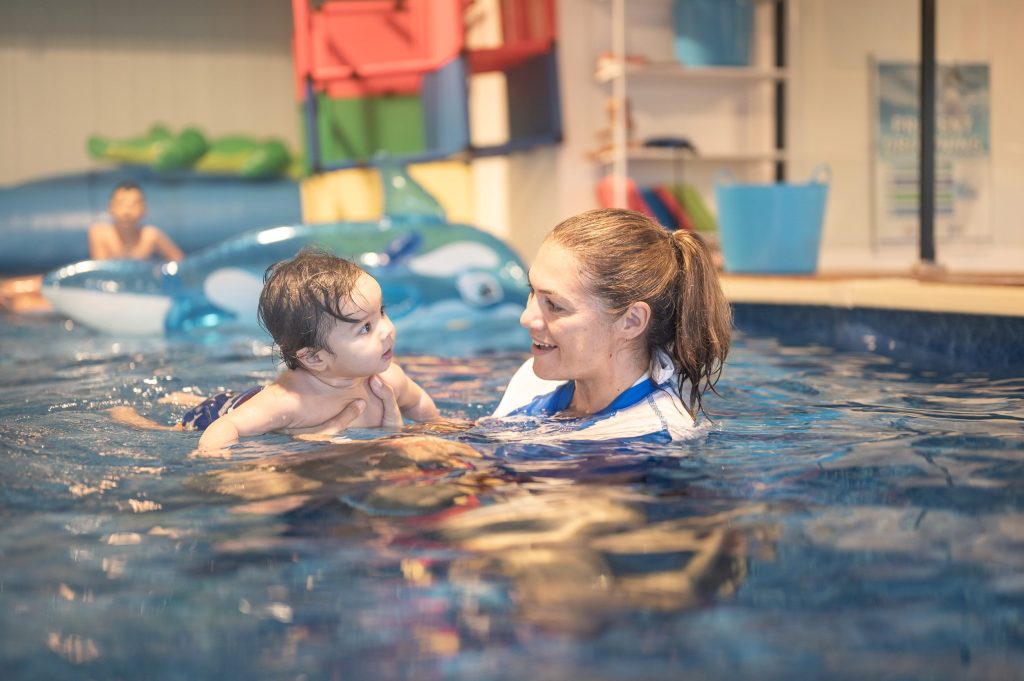
Infants should never be left unattended in or around water. Even in structured infant swim classes, adult supervision is always essential. Parents or caregivers should stay within arm’s reach of their baby, observing and assisting whenever needed.
The presence of both a trained instructor and a vigilant parent ensures that any potential risks are minimized. Constant supervision helps infants feel secure in the water and allows immediate response in case of an emergency.
3. Ensure Proper Pool Hygiene
Hygiene is a key aspect of infant safety. Pools used for infant swim lessons must maintain clean and safe water conditions. This includes proper disinfection, regular testing of chemical levels, and routine cleaning of the pool area.
At AquaBuddies, strict hygiene standards are followed to prevent the risk of infections and maintain a healthy environment. Clean water not only safeguards infants’ health but also contributes to a comfortable and enjoyable swimming experience.
4. Use Appropriate Swim Gear
Proper swim gear is essential for infant comfort and safety. Babies should always wear swim diapers to prevent accidents in the pool. Swim caps can help keep hair out of the face, while infant-sized goggles can provide extra comfort, though they are optional.
It’s important to choose gear that does not restrict movement or breathing. Comfortable and correctly fitted swim gear ensures infants can move freely in the water, promoting a positive and stress-free experience during infant swim lessons.
5. Limit Time in Water
Babies have delicate skin and lower endurance than adults. Limiting the duration of swimming sessions is important to prevent fatigue and maintain safety. Typically, sessions should start at 20 to 30 minutes, gradually increasing as the infant becomes more comfortable in the water.
Short sessions also prevent overexposure to pool water, which can sometimes irritate sensitive skin. By maintaining appropriate session lengths, infants can build water confidence at a healthy pace while enjoying the experience.
6. Monitor Water Temperature
Infants are more sensitive to temperature changes than older children or adults. The pool water should be comfortably warm, ideally between 32 to 34°C (89 to 93°F). Water that is too cold can cause discomfort and increase the risk of hypothermia, while water that is too hot can cause overheating.
Warm water helps infants feel secure and relaxed, encouraging better participation in swimming exercises. In infant swim lessons, maintaining a consistent and safe temperature is an important part of overall safety and enjoyment.
7. Learn Infant CPR and First Aid
Even in well-structured swimming classes, emergencies are possible. Parents and caregivers should learn the basics of infant CPR and first aid. Being prepared ensures that immediate action can be taken if an infant experiences difficulty in the water.
Instructors in infant swim classes are trained in CPR and first aid for infants, providing an additional safety layer. Parents who are knowledgeable in these areas can also feel more confident and secure during lessons.
8. Encourage Comfort, Not Force
Every infant reacts differently to water. Some babies may feel anxious or uncertain initially, while others may be more eager to explore. It’s important never to force a baby to participate in any activity during swim lessons.
The goal of infant swim lessons is to build positive associations with water. Gentle encouragement, praise, and patience allow infants to gradually develop water confidence. Over time, this approach leads to natural comfort and trust in the swimming environment.
9. Track Your Infant’s Health
Monitoring your baby’s health before swim lessons is crucial. Avoid swimming if your infant has a fever, cold, or other health concerns. Inform instructors about any medical conditions, allergies, or recent illnesses that could affect participation.
Healthy infants are better able to enjoy infant swim classes safely. By paying attention to health, parents also help protect other infants in the pool from potential infections.
10. Communicate with Your Instructor
Effective communication with your instructor is key to a successful swim program. Parents should share concerns, goals, and observations about their infant’s progress. This collaborative approach ensures that instructors can tailor activities to suit each child’s comfort level and developmental needs.
In infant swim lessons, instructors often provide feedback and suggestions for practice at home, helping parents reinforce skills and safety habits outside the pool. Open communication also ensures a positive, informed, and safe learning experience for every infant.
Quick Safety Comparison Table for Infant Swim Lessons
| Safety Aspect | Recommended Practice | Notes |
| Supervision | Constant adult and instructor presence | Never leave infants unattended |
| Pool Hygiene | Regular cleaning and proper chemical levels | Reduces infection risks |
| Swim Gear | Swim diapers and comfortable attire | Avoid restrictive clothing |
| Session Duration | Start with 20 to 30 minutes | Gradually increase |
| Water Temperature | 32 to 34°C (89 to 93°F) | Maintains infant comfort |
| Health | Avoid swimming when ill | Protects all infants |
| Emergency Preparedness | Parent CPR knowledge and trained instructors | Ensures quick response |
Conclusion
Structured infant swim lessons provide a safe and enjoyable way for babies to get comfortable in the water. By following these ten safety tips, choosing certified instructors, maintaining supervision, monitoring health and water temperature, and using appropriate, gear parents can ensure that every session is both safe and positive.
The key is patience and observation: every infant develops at their own pace, and comfort in the water comes gradually. Consistent guidance, open communication with instructors, and attention to your baby’s responses help create a secure and encouraging environment for learning.
If you have questions about enrolling your baby or want advice on how to prepare for lessons, you can contact us today for guidance from experienced instructors who specialize in infant water safety.
Frequently Asked Questions (FAQ)
Q1: At what age can my baby start infant swim lessons?
A1: Most infants can start swim lessons from around 3 to 6 months old, depending on their developmental readiness and health.
Q2: How long should each infant swim class be?
A2: Sessions typically last 20to 30 minutes, which is suitable for an infant’s attention span and energy levels.
Q3: Do infants need special swim gear for lessons?
A3: Yes, swim diapers are recommended. Optional items include infant swim caps or goggles, but comfort and safety are the most important considerations.
Q4: Are AquaBuddies instructors trained in infant safety?
A4: Yes, all instructors are certified and trained in infant swim safety, CPR, and first aid.
Q5: How can I tell if my baby is comfortable in the water?
A5: Positive signs include relaxed movements, smiles, and engagement during lessons. If a baby shows distress, instructors adapt exercises to promote comfort.